






Email: info@chinavisafreelayovertour.com
Phone: +86-13683536536
WhatsApp/iMessage: +86-13683536536
WeChat: +86-13683536536

Member
Summer Palace Details

Tour Code : C0007
Type : Historic sites , Views of the city
City / Province : Beijing
Built in : 1750
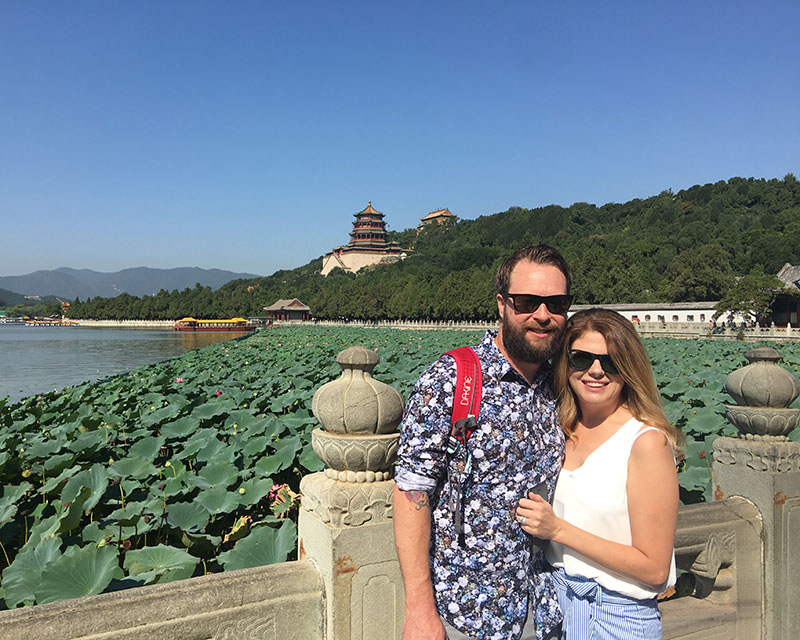
An Imperial Garden in Beijing is a masterpiece of Chinese landscape garden design that is one of largest of its kind in existence in China. The Summer Palace is also a potent symbol of one of the world’s major civilizations. Walk through one of the longest corridors in the world and discover the stories behind beautiful paintings as you take in the scenery of the Longevity Hill and the stunning Kunming Lake on a dragon boat.
Summer Palace
Summer palace
Introduction
The Summer Palace is located in the Haidian District northwest of Beijing and 15 kilometers from downtown. The Summer Palace was first built in 1750 by Emperor Qianglong but was later destroyed in the war of 1860 by the Anglo-French Allied Forces and later restored on its original foundations in 1886. In 1888, the Summer Palace was given its present Chinese name, Yihe Yuan. It was later destroyed by the Allied Forces of the Eight Powers in 1900 but was later reconstructed in the Qing Dynasty before it was opened to the public as a tourist attraction in 1924. In 1998 it was listed as a World Heritage Site by UNESCO.
The Summer Palace covers a total of 2.9 square kilometers and has been used as a spot for retreat, residence and relaxation area for imperial families. As other dynasties occupied the palace they modified it but it was during the late Qing dynasty and the regency of Empress Dowager Cixi that the palace obtained its current grandeur. The general landscape of the Summer Palace incorporates natural hills and open water with artificial features like halls, pavilions, palaces, bridges and temples to create a harmonious setting that strives to maintain a conducive environment. Due to its layout, the Summer Palace was able to combine its residential, administrative, political, recreational and spiritual functions.
Things to see and do on a visit
The Long Corridor
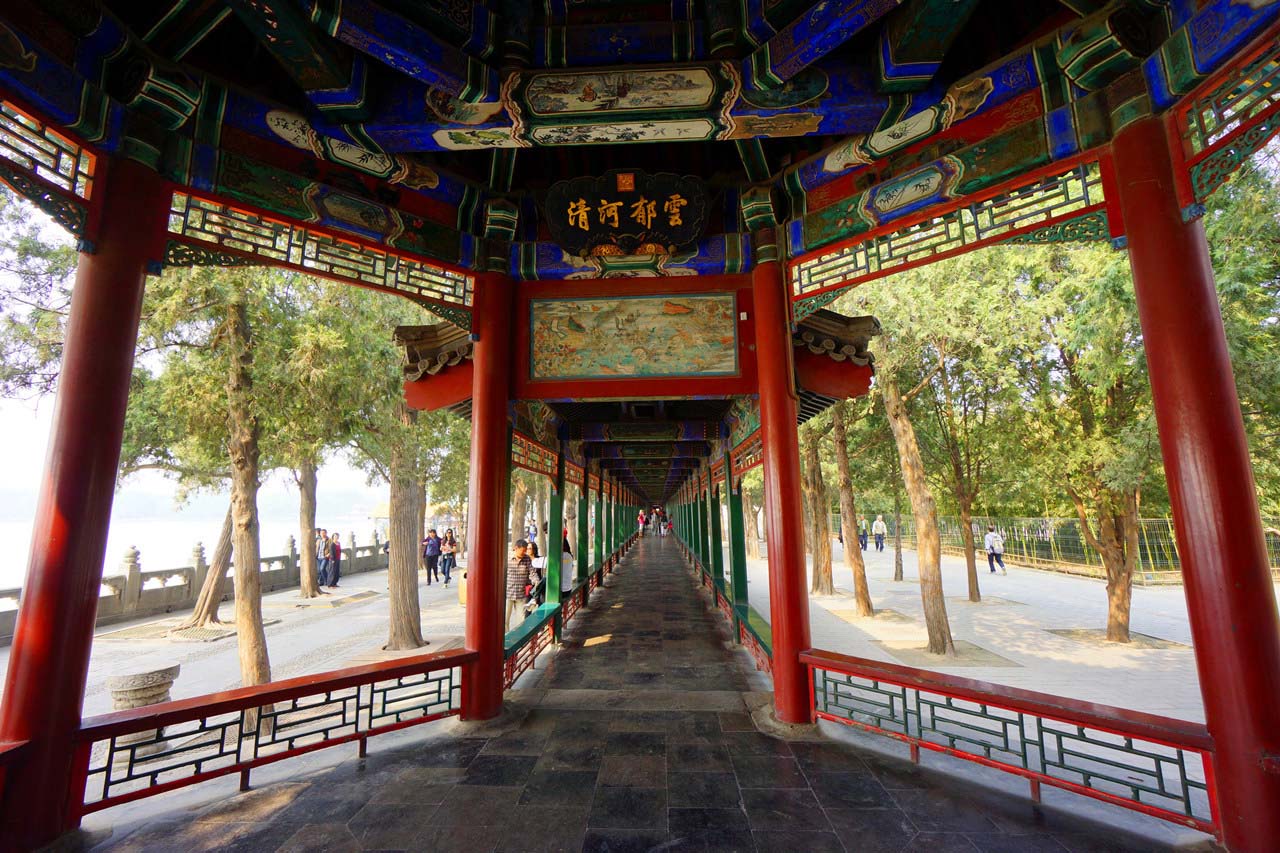
This is a 728-meter long walkway that was constructed in 1750 so that everyone would have sheltered walks in the garden regardless of the weather condition. The corridor is magnificently endowed with at least 14,000 paintings from famous Chinese legends. Its overall landscape creates a completely pleasant atmosphere for unwinding surrounded by willows, lotus flowers, boats and bridges.
Kunming Lake and Boating
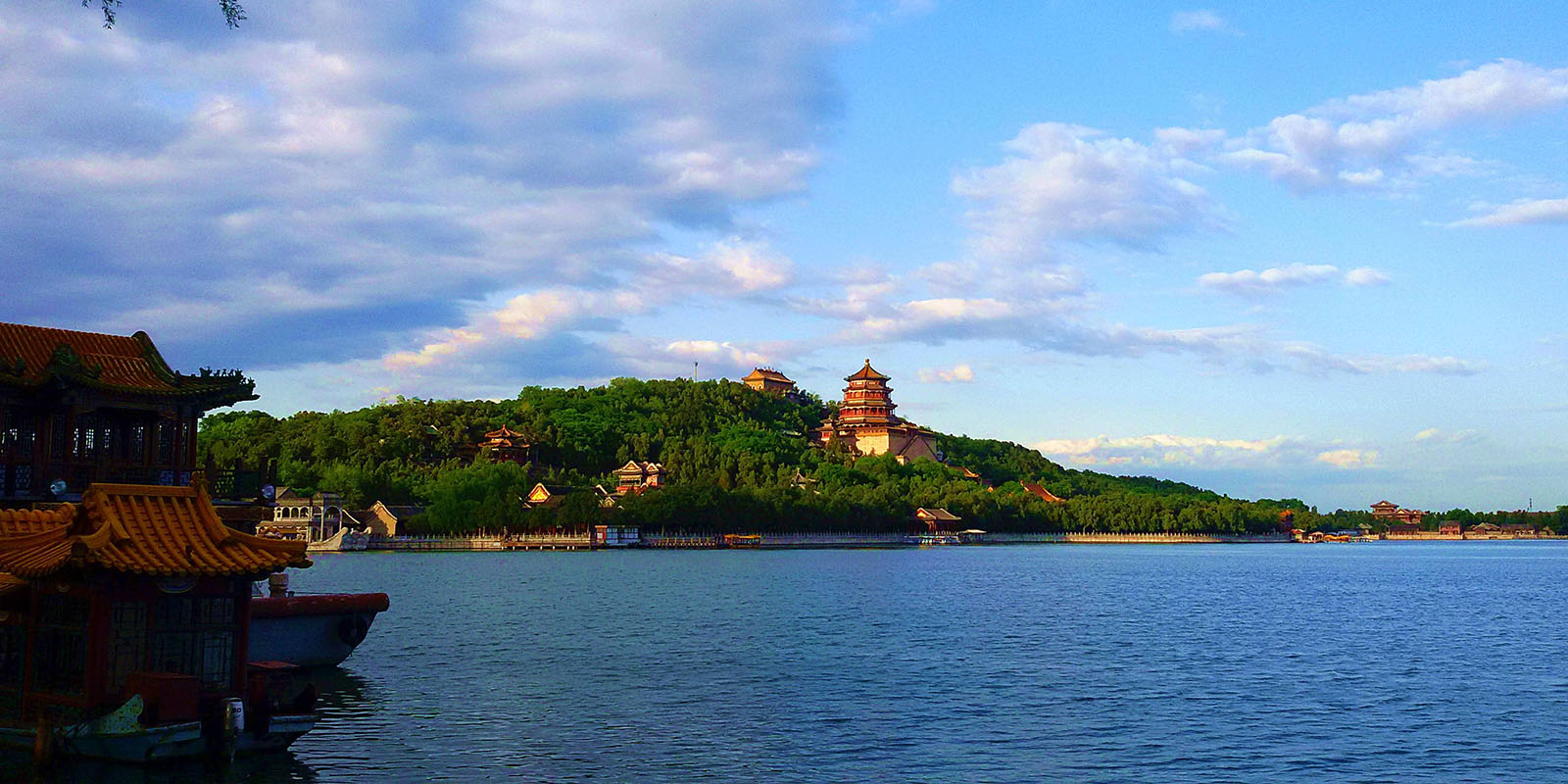
Kunming Lake is located at the center of the park taking up 75% of the park area and is the key landscape element in the Summer Palace. Visitors can take a boat ride on Kunming Lake in summer to see an island temple and three large islands taking the aspect of ancient Chinese symbolic mountain garden design. Towards the south, of which is linked to the East Dike by the Seventeen Arch Bridge. An essential feature is the West Dike with six bridges in different styles along its length.
Longevity Hill
Longevity Hill is a man-made steep hill that rises 60 meters high and sits beside a lake dotted with excellent halls and temples that have superbly decorated gates. It is made out of mound extracted from the area that is the current Kunming Lake.
The Court Area
The Court area is near the East Palace Gate in the palace buildings where Empress Cixi and Emperor Guangxu used to conduct government business. They also used to stay in the area that includes a number of courtyards and halls.
Wenchang Gallery
This is an exhibition of artifacts, relics, jade, furniture and bronze dating back to the Shang dynasty. These materials are collected from imperial families.
The Heralding Spring Pavilion
The Heralding Spring Pavilion is the only pavilion that displays the most stunning and comprehensive view of the whole palace all the way to western mountains. The pavilions name comes from the fact that its the topmost spot where visitors can admire spring colors throughout the palace. It also sits over the water making it more unique surrounded by rocks. Before you reach the pavilion on the path leading to it there are interesting water calligraphers who display their artwork on the pavings.
The Garden of Virtue and Harmony
The Garden of Virtue and Harmony is located on the right of the administrative Hall of Benevolence and Longevity. The garden is an imperial leisure complex and is home to the imposing Grand Theatre. The restored theater in the palace where visitors can sit and watch traditional Chinese performances. Empress Cixi was a fan of the Peking opera and she requested the construction of a performing space that remains to date the country’s largest and most impressive.
Just directly opposite is the ornate Hall of Nurtured Joy, where the Empress Dowager relaxed and watcher performances with his special invited guests.
The Bronze Ox
This bronze ox dates back to 1755 and is located near a pavilion facing Kunming lake with its back inscribed a poem of eighty characters written by the Qianlong Emperor.
The Spacious Pavilion
The Spacious Pavilion is the palace’s largest pavilion amongst all the other pavilions. Inside the pavilion is an impressive work of art and colorful wooden structures.
Marble Boat
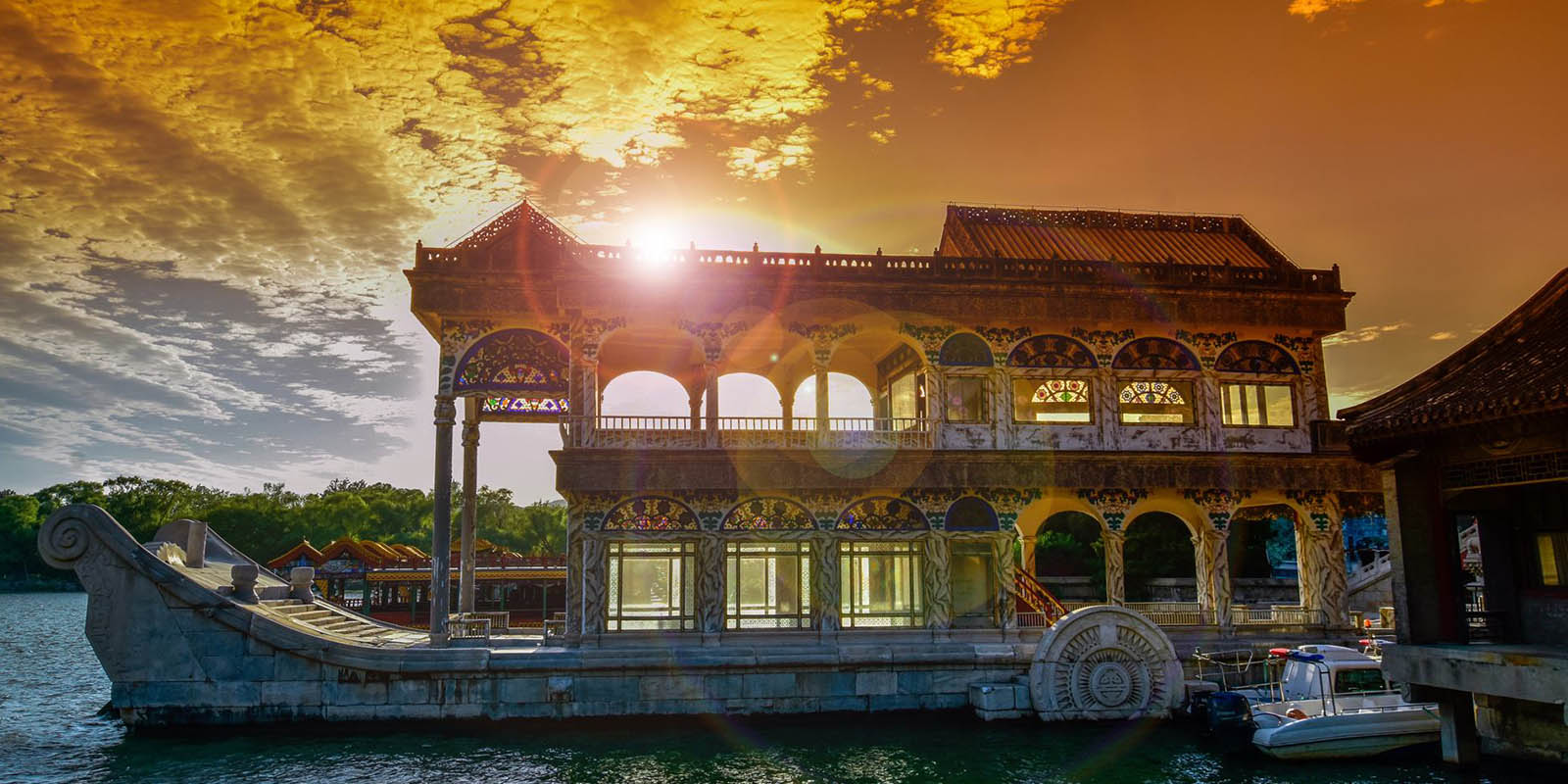
At the northern edge of the lake sits the only western-style building in a very interesting form that is in the shape of a Marble Boat. It was constructed in 1755 but was burned down by the French and Britons in 1860 during the Second Opium War. The current building was reconstructed in 1893 and is decorated with colored bricks, wheels and glass windows.
Suzhou Market Street
Suzhou Market Street was set up during Qianlong’s Emperor resembling the architectural design of the southern city of Suzhou. It was actually built to impress one of the emperors homesick concubines but the strip was damaged by the French and British forces in 1860 and was later reconstructed in 1990. Nowadays it is home to shops and many boats can be seen floating and riding through its 300-meter canal.
Through these boats, there are riverside shops and most of them can only be accessed through boats. Back in the days, emperors and their concubines would pretend to be shopping although everything was bought for them.
South Lake Island
At the south lake island, visitors can get the best view of the Longevity Hill from way across the lake. In addition to this, there is an imperial Hall of Embracing the Universe where locals relax and unwind.
The Jade Belt Bridge
This jade belt bridge is also known as a moon bridge and it features a series of Japanese and Chinese gardens and arches steeply. Looking from a distance the bridge’s arc reflects on the lake creating an illusion of a circle hence the name the moon bridge. The high arch was also set in high levels to allow Qianlong Emperor’s elaborate dragon boat to effectively pass beneath it.
The Four Great Regions
These series of temples combine Tibetan and traditional Chinese architecture mixing color white and red creating the most magical and shimmering buddhas in the midst of steep steps.
The Tower of Buddhist Incense
This majestically decorated Tower of Buddhist Incense is home to an impressive five meter tall Thousand Handed Guanyin Buddha. The tower is very pleasing to look at.
The Sea of Wisdom
This is yet another conspicuous Buddhist monument that is also the highest building in the area. It is characterized by repeating Buddhas both big and small on the inside and its facade is yellow glazed in green.
Baoyun Bronze Pavilion
Located near the Longevity Hill, this pavilion is made of 207 tonnes of bronze and has a blackish green color sitting in the middle of other colorful buildings.
The West Causeway
This West Causeway was built in the same criterion as Hangzhou’s renowned West Lake. This western strip is completely calm and quiet and is lined with pavilions and bridges shaded by the most colorful flowers and green trees.
The Seventeen Arch Bridge
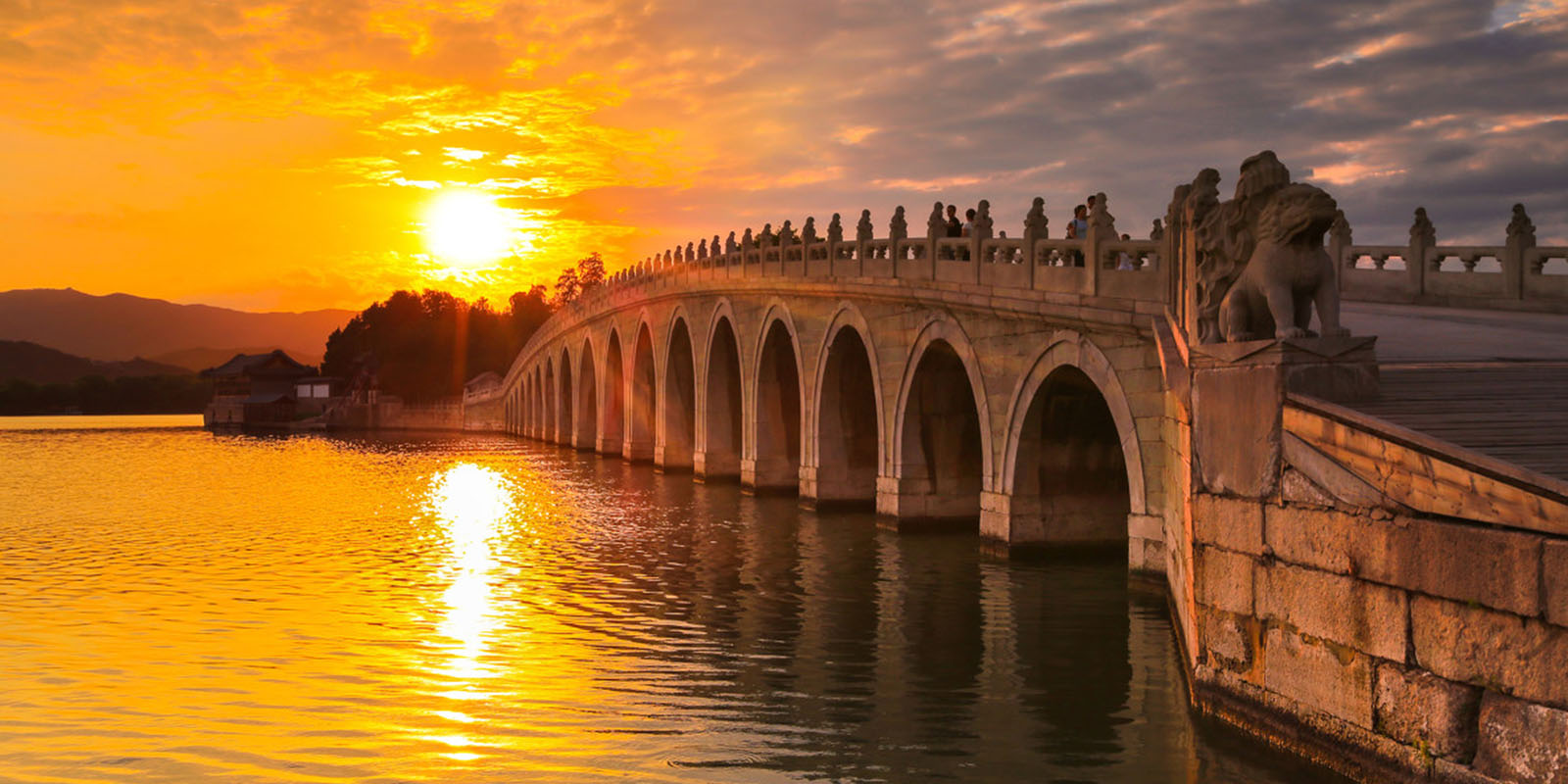
This 150 meter high Seventeen arch bridge is very conspicuous and is decorated by hundreds of lion statues. During summer, the sun shines on this Bridge to form the most auspicious sight.
The Hall of Joyful Longevity
The hall of joyful longevity is set up in a siheyuan style courtyard environment that was built in 1750 as a gift to Emperor Qianlong’s mother 60th birthday. The courtyard was later rebuilt by empress Dowager Cixi after it was destroyed by British and French forces. It is home to an 8 meters wide and 4 meters tall rock that was first discovered in the southwest of Fangshan district by Ming dynasty official and stone enthusiast Mi Wanzhong, who spent all his fortune trying to transport it back to his city residence but he left it halfway due to lack of funds. When emperor Qianlong came across it and saw its resemblance to a renowned fungus perceived to miraculous extend powers, he moved the stone to the summer palace. However, to date many suspicious visitors connect the rock to bad lick and even choose not to take photos with it fearing their own bankruptcy.
Dragon and phoenix statues
This pair of bronze statues are located on either side of the entrance as it is traditionally with the Chinese customs representing the empress and the Phoenix represents the power that empresses Cixi held.
Recommend Tour
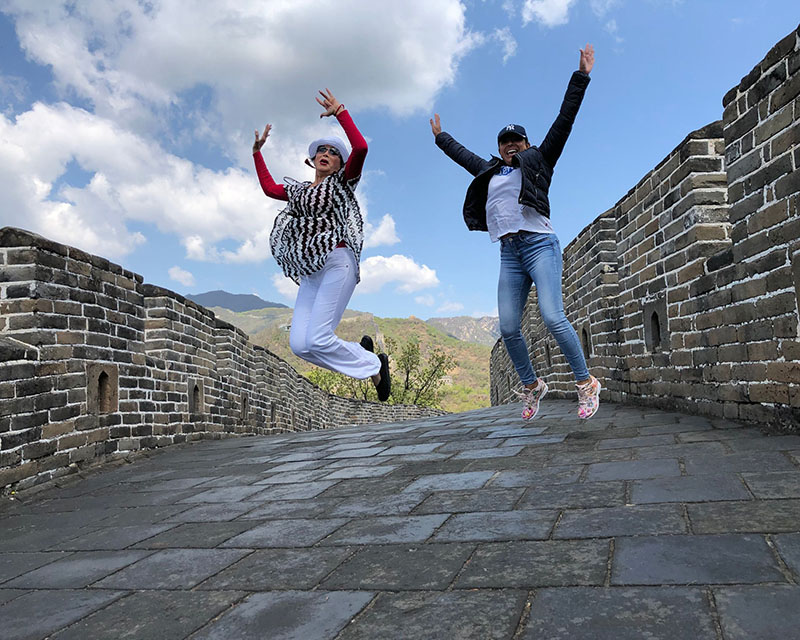
2 Days Beijing Layover Essence Tour
48hours
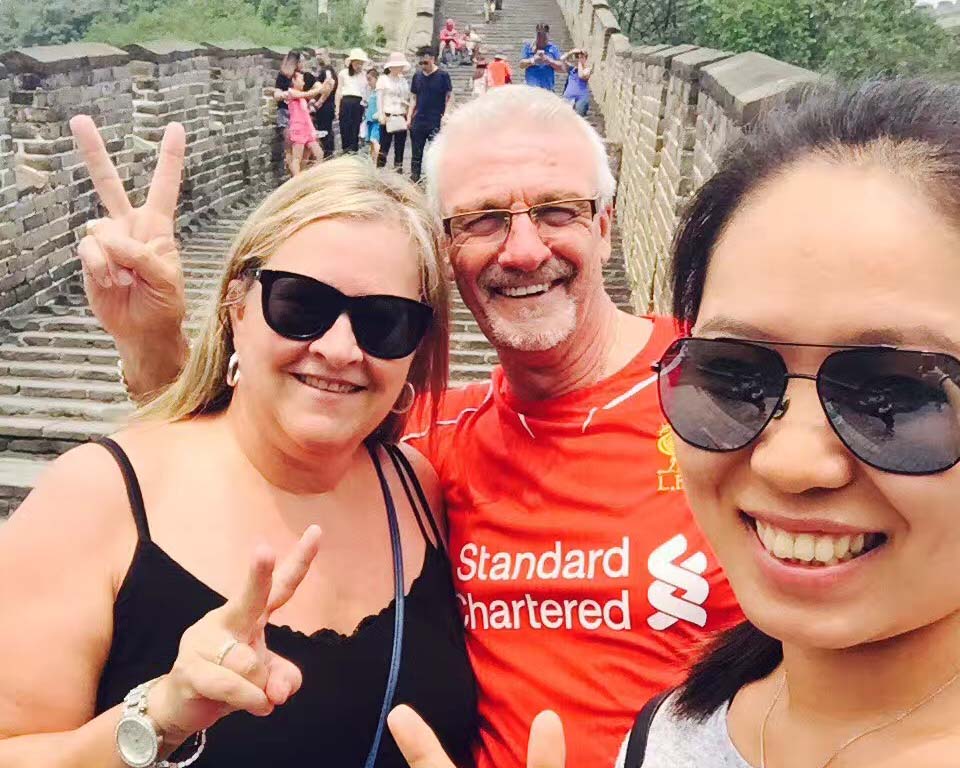
Discover the top sights around Beijing with a professional guide who shares the Chinese history and culture for two days. Get the chance to visit centuries-old Forbidden City, Temple of Heaven and Mutianyu Great Wall, appreciate the royal luxurious garden with beautiful scenery at the Summer Palace.

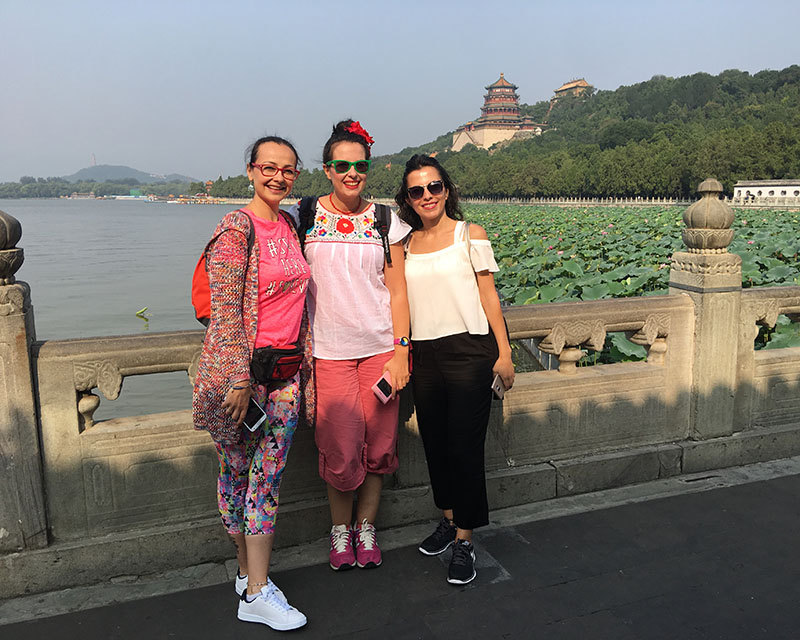
Mutianyu Great Wall and Summer Palace Beijing Layover Tour from Airport
8hours
Venture out of the airport while on a layover and go for an exciting excursion through the legendary Mutianyu Great Wall for a hike and the Summer Palace to uncover its infinite hidden treasures within the lush environs of the imperial gardens.
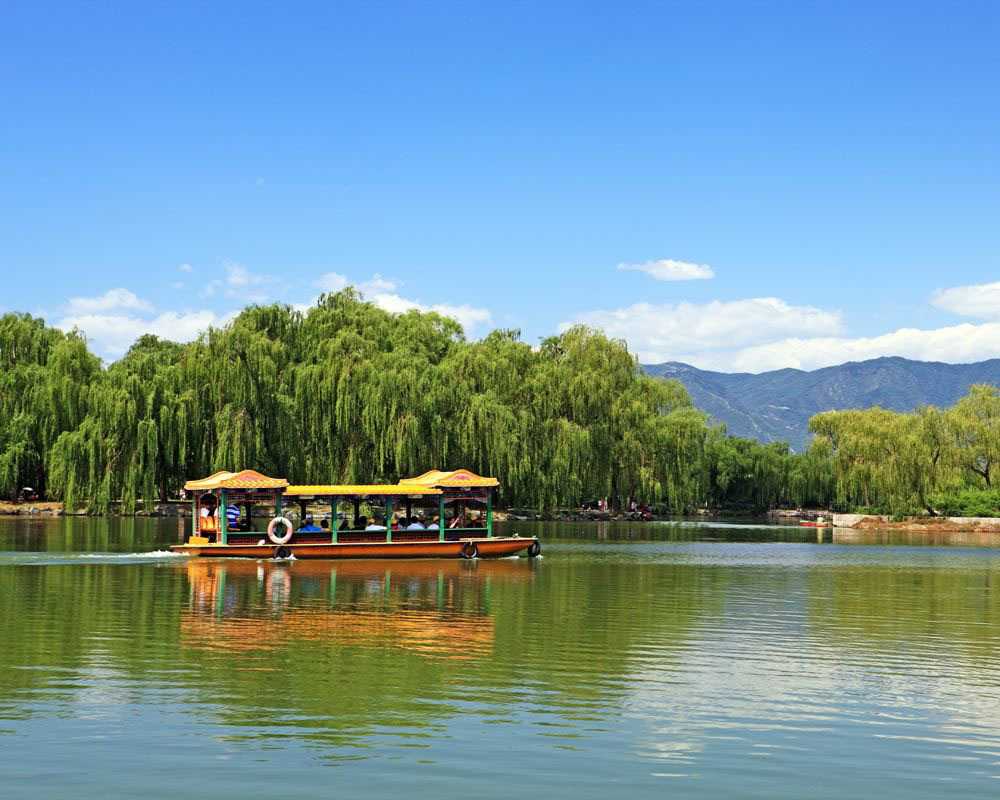
3 Days Classic Beijing Layover Tour
72hours
Beijing has become one of the most preferred layover destinations with an abundance of sightseeing opportunities and activities to partake. Let us show you the crème-de-la-crème at the magnificent Temple of Heaven, the awe-inspiring Forbidden City, the classy Summer Palace, the world wonder at the Great Wall of Mutianyu, the Beijing Zoo amongst other hot spots ready to create an unforgettable experience.
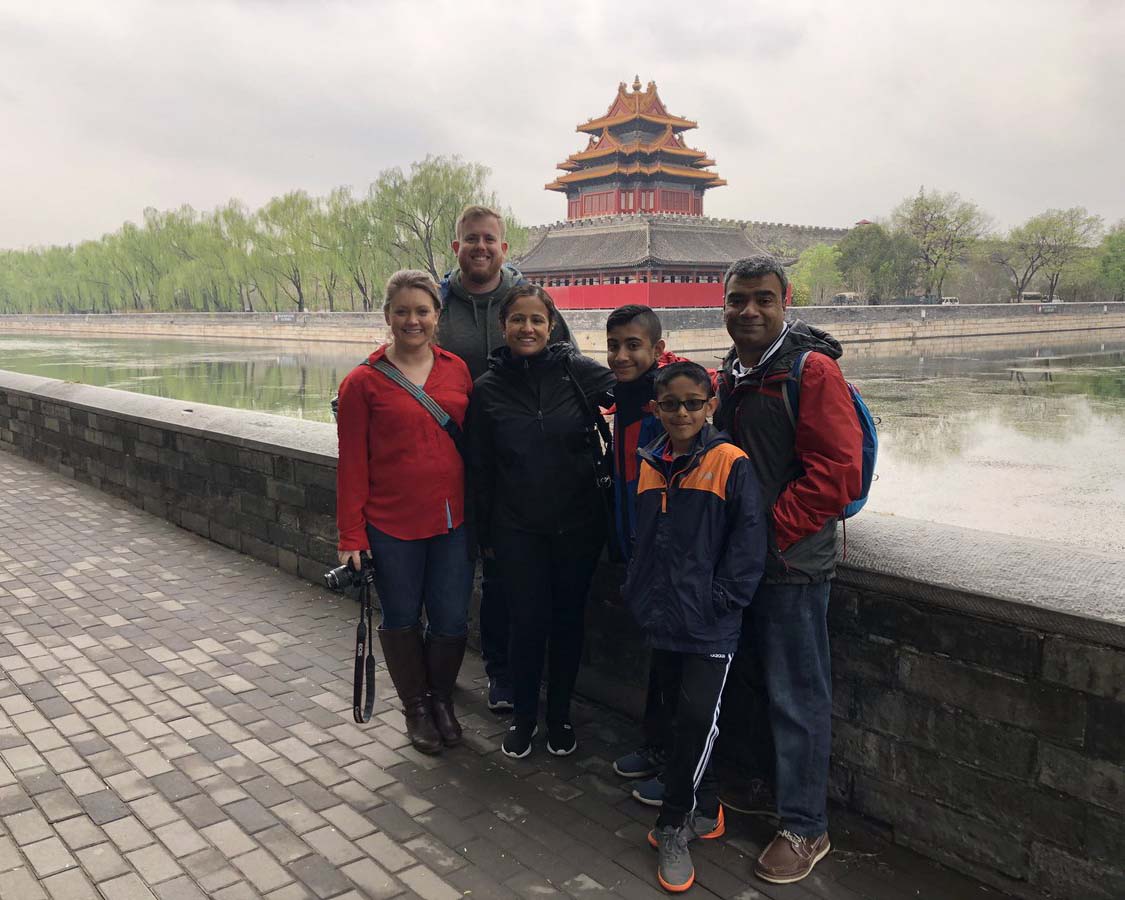
Beijing Forbidden City and Summer Palace Layover Tour from Airport
6hours
Join us in this Beijing layover tour that takes you through the most important landmarks. Marvel at the world-famous landmark at the Tiananmen Square and take your time reveling at the magnificent royal residences at the Forbidden City and the Summer Palace, learn about the history that lies around every corner as you see for yourself.
144 Hours Visa Free Beijing Layover Tour
144hours
From royal architecture, Forbidden City, Temple of Heaven and Summer Palace, to one of seven world's wonder Great Wall to immerse in the splendid Chinese history, experience locals culture at Hutongs and Nanluoguxiang, take a deeper dive into a wonderful night show.
Beijing Layover Tour to Summer Palace and Olympic Park
5hours
Travel to the popular Summer Palace, a perfect place to escape the noisy airport, discover the imperial secrets in the ancient charming vacation grounds; get a real insight into Olympics Park with astonishing and hyper-modern buildings: Bird’s Nest and Water Cube.
Great Wall Layover Tour from Beijing Airport
Beijing Airport Layover Tour
Top Attractions of Beijing Layover Tour
Great Wall Layover Group Tour
>>Great Wall Sunrise and Sunset Layover Tour
>>Mutianyu Great Wall Layover Tour
>>Simatai Great Wall Layover Tour
>>Badaling Great Wall Layover Tour
>>Huanghuacheng Great Wall Layover Tour
>>Juyongguan Great Wall Layover Tour
>>Jinshanling Great Wall Layover Tour

Got Question & Quick Answer


©2013- www.chinavisafreelayovertour.com

Introduction

Recommend Tour

FAQ
 Home
Home







Entertainment :
Cultural Value :
Environmental Quality :