






Email: info@chinavisafreelayovertour.com
Phone: +86-13683536536
WhatsApp/iMessage: +86-13683536536
WeChat: +86-13683536536

Member
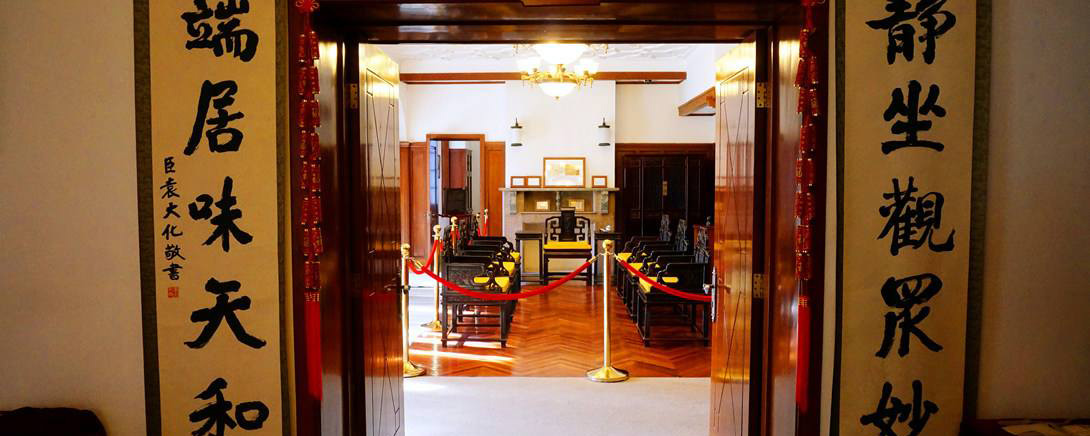
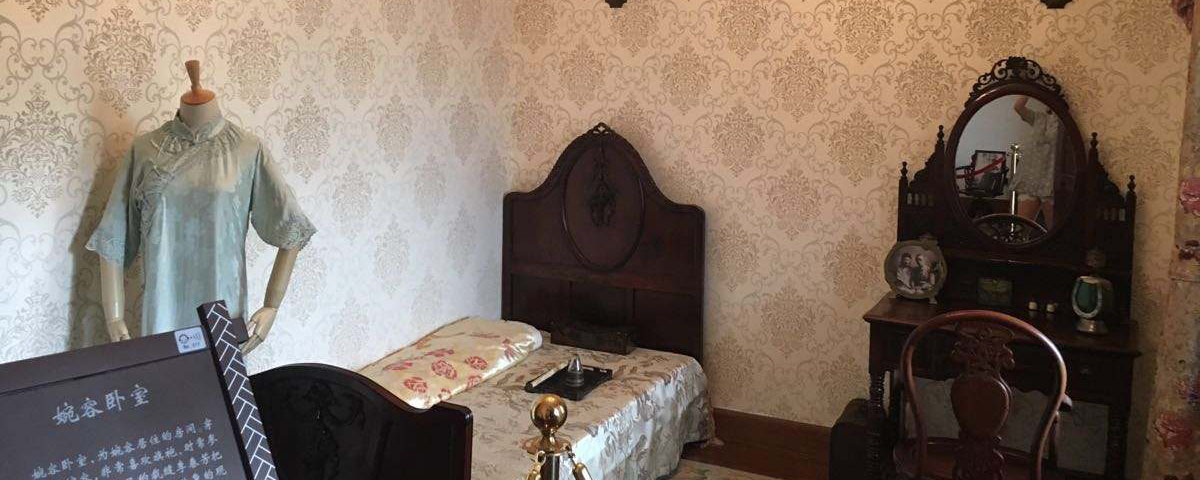
Jing Garden Details

Tour Code : C0113
Type : Historic sites
City / Province : Tianjin
Built in :
Witness the blend of Chinese and European architecture with a hint of special layouts as you relax and unwind at the Jing Garden that is currently one of the heritage sites in Tianjin for the former residence of last emperor Puyi.
Jing Garden
Jing Garden
Introduction
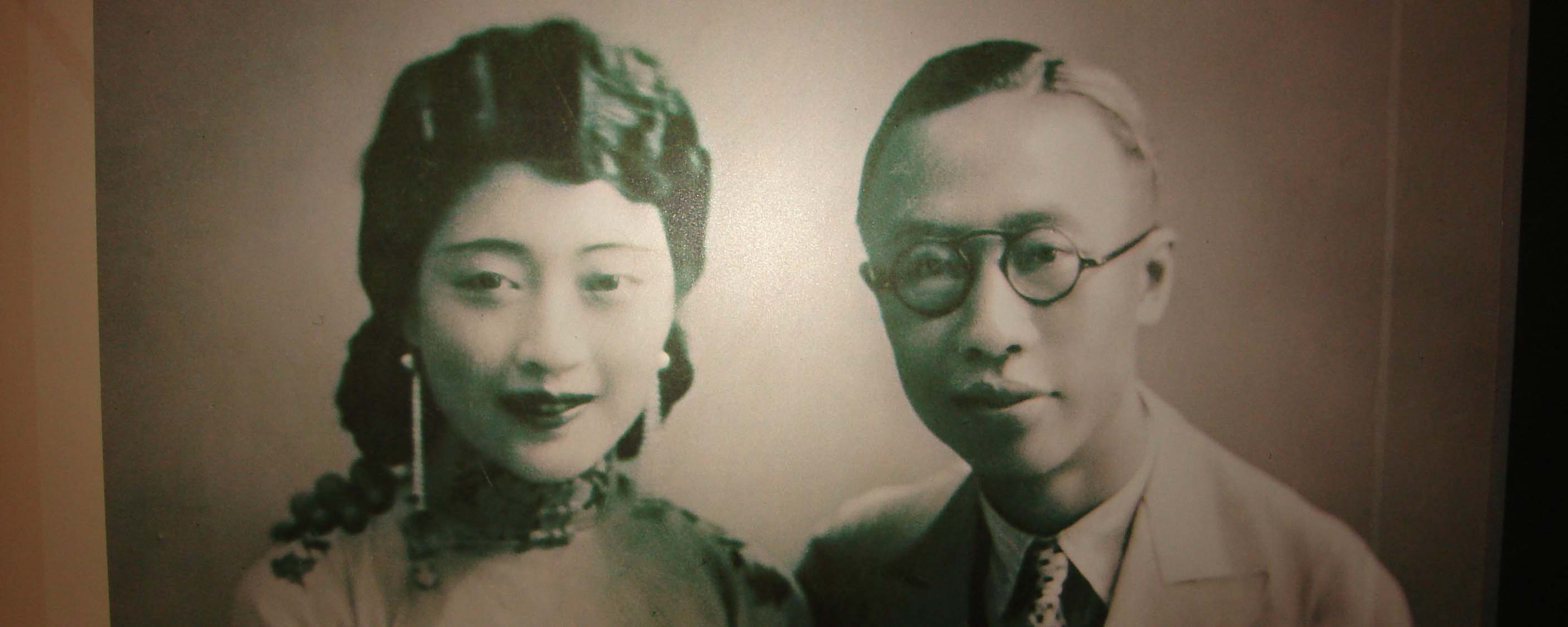
The Jing Garden is also known as the Garden of Serenity and it was built in 1921 with the original name of Qianyuan Manor. The garden occupies an area of 3360 square meters and was initially a private residence belonging to the minister counselor to Japan appointed by the Northern Warlords’ Government known as Lu Zongyu. In July 1929, Puyi who was the last emperor of the Qing Dynasty moved to the garden with his empress, Wan Rong and Wen Xiu, his concubine after which he renamed the garden to the Garden of Serenity (Jing Garden). In Chinese the word Jing translates to stillness in English and it is believed that the emperor tried to strengthen himself with the noble spirit by residing in a peaceful environment.
Things to see and do on a visit
Jingyuan Garden blends different architecture designs together such as the Spanish and the Japanese. For instance, the structure and material of its gates are of Japanese descent while the low pitched roof and detailed decoration are of Spanish descent. Jingyuan Garden is further divided into three sets of courtyards, the front yard, the side yard and the back yard. The main building is a Spanish style brick structure with the first floor having a dining room, living room, guest room and a kitchen. The second floor has the bedrooms, a chamber and a library. The external walls and balconies have projecting brims that were used make the rooms of the house bigger. The front of the house is occupied by pagoda trees, poplars and cloves. Visitors can see paper materials and photos displaying the political and daily life of the last emperor, Pu Yi.

Got Question & Quick Answer


©2013- www.chinavisafreelayovertour.com

Introduction

Recommend Tour

FAQ
 Home
Home








Entertainment :
Cultural Value :
Environmental Quality :