






Email: info@chinavisafreelayovertour.com
Phone: +86-13683536536
WhatsApp/iMessage: +86-13683536536
WeChat: +86-13683536536

Member
Humble Administrator's Garden Details

Tour Code : C0085
Type : Historic sites
City / Province : Suzhou
Built in : Ming Dynasty
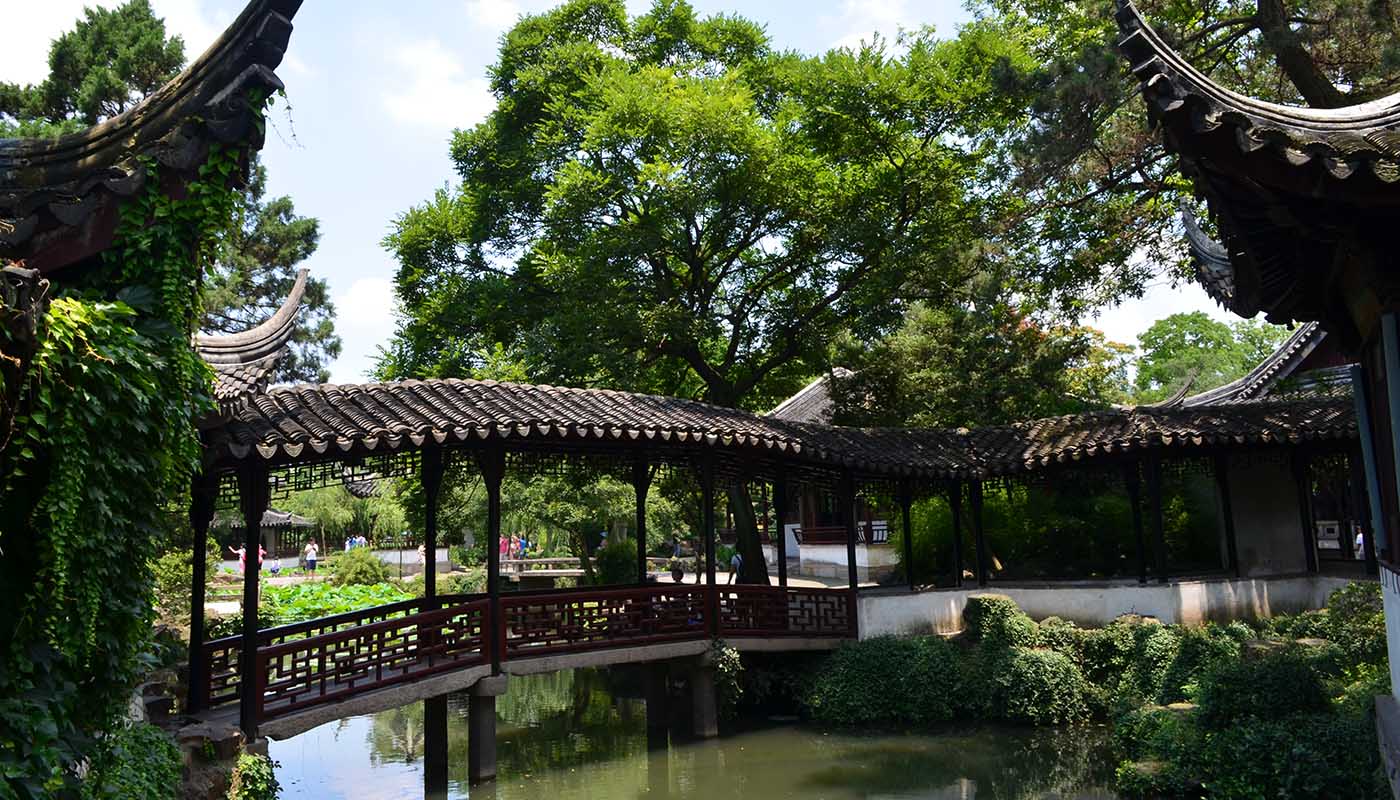
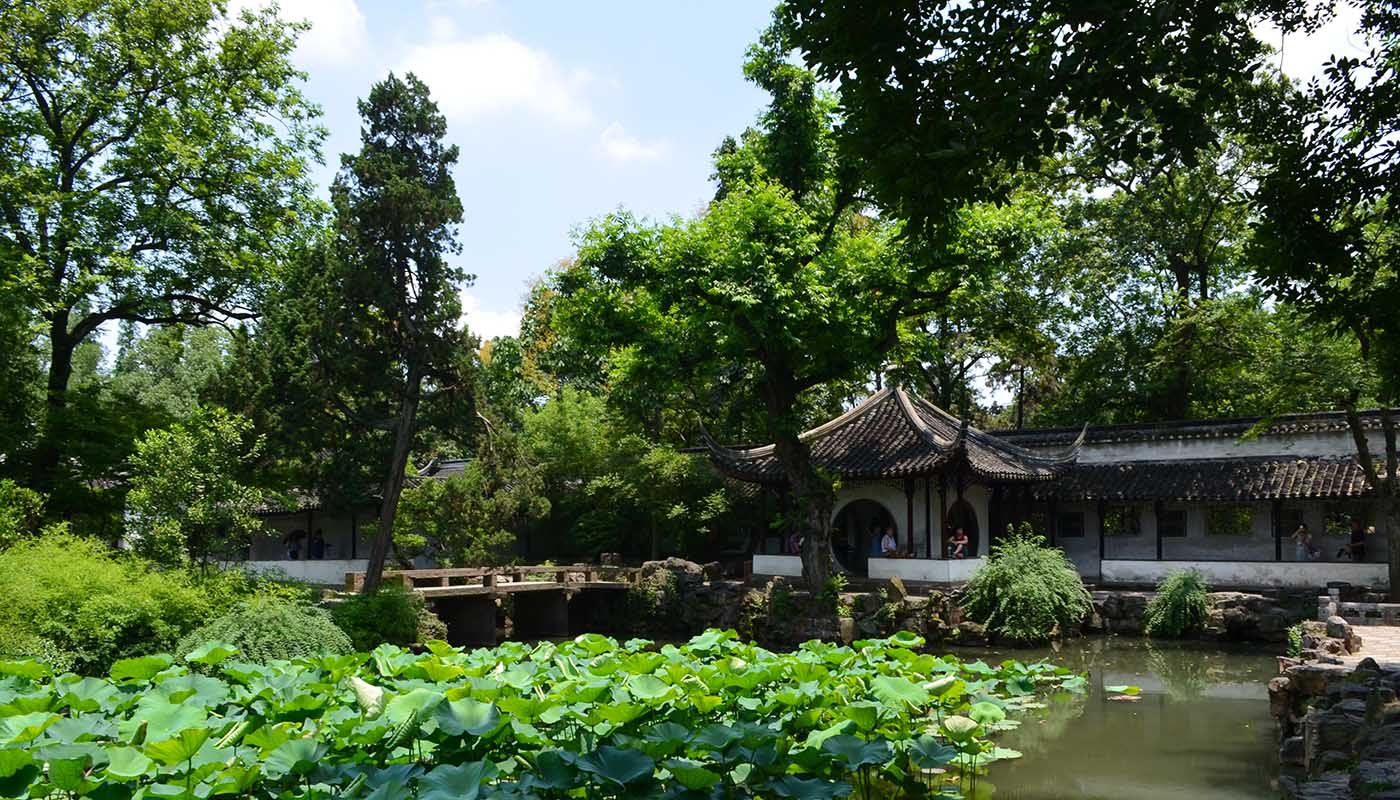
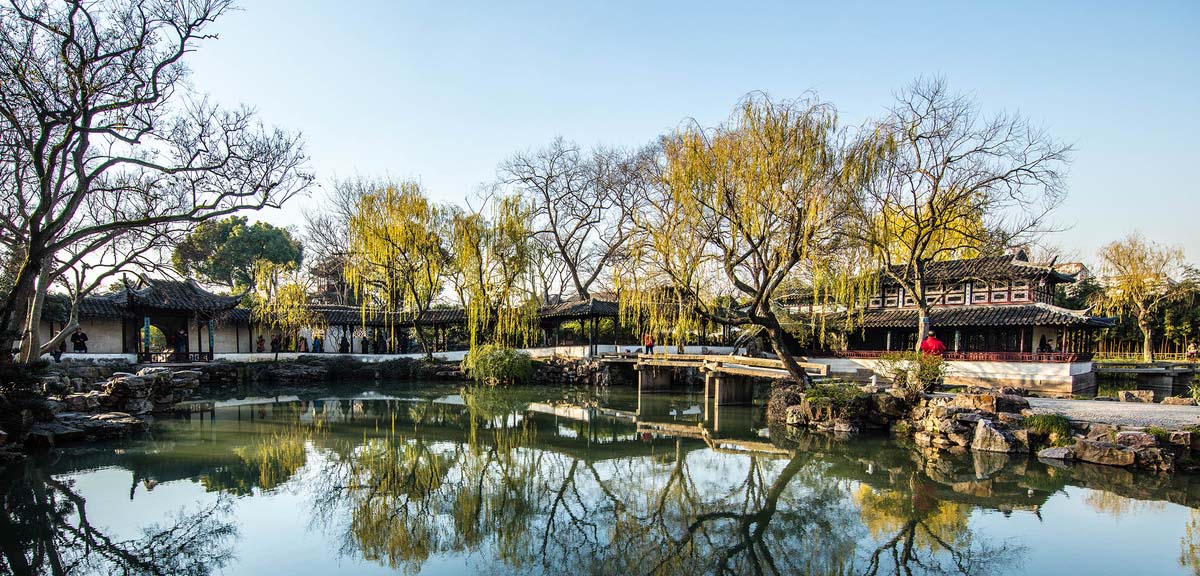
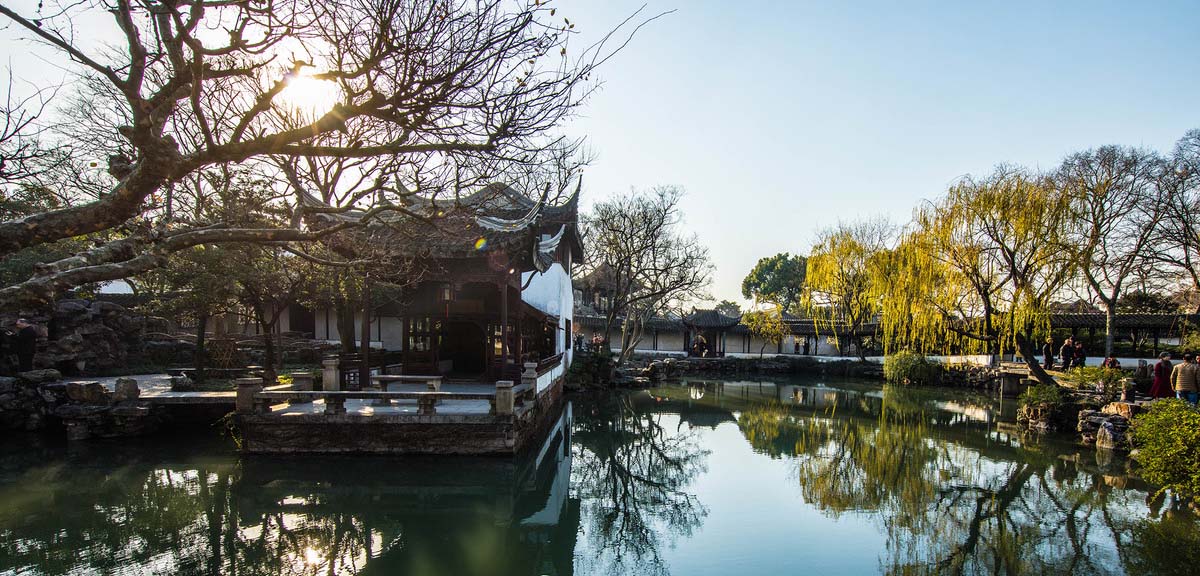
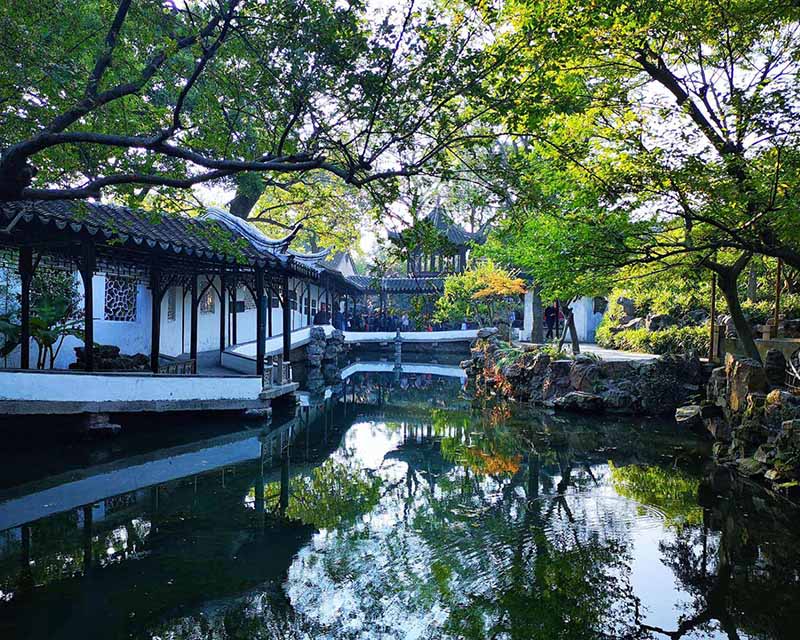
Feel the ancient vibe at the 500 year old garden which is also a UNESCO World Heritage Site exploring tranquil waters, magnificent pavilions, expansive lush greens, ornate and unique rockeries.
Humble Administrator's Garden
Humble administrator’s garden
Introduction
The Humble Administrator’s Garden is one of four other famous gardens in China like the Summer Palace in Beijing, the Mountain Resort of Chengde in Hebei Province and the Lingering Garden in Suzhou. It covers an area of 52,000 square meters making it the largest garden in Suzhou containing almost all the features of classical Suzhou gardens. The garden has also been listed as a World Cultural Heritage site and has been designated as one of the Cultural Relics of National Importance under the Protection of the State as well as a Special Tourist Attraction of China.
The Humble Administrator's Garden was initially built in 1509 during the Ming Dynasty (1368-1644) as a private garden of a former government servant, Wang Xianchen. The residence was built from what used to be a Taoist Temple with old relics. Wang chose to go build the garden and practice farming and especially gardening because his career was very frustrating and draining. He was a simple and humble man hence the name of the garden.
The garden featured representative Ming Dynasty work including man-made pavilions, parlors, halls and a natural water background with rock formations, hills and small trees.
Things to see and do on a visit
Eastern Section
The main building on the eastern side is the Orchid and Snow Hall (Lanxue Tang) from where visitors can get a panoramic view of the entire garden from the south wall. This section is covered by dense bamboo trees, sheer hills, green grasses and winding streams. In addition, there is a Lotus Pavilion built above the water half of which is built on a terrace. From the pavilion, visitors can admire lotuses when they bloom in summer. The Heavenly Spring Pavilion is also impressive structure and gets its name from an ancient well whose water tastes very sweet.
Central Section
The Central Section of the garden is the highlight of the attraction with one-third of its area covered by water. It is lined with pavilions and exuberant trees and courtyards are dotted throughout. During summer, the pool is filled with lotuses which send a sweet fragrance into the building. Near the lotus pool is the Hall of Distant Fragrance which has oversized glass windows on all of its sides for visitors to enjoy the view of the area. Close to it is a Small Flying Rainbow Bridge (Xiaofeihong) which is unique and the only one in the garden that can be crossed.
Western Section
On the Western Section is an ornate hall that is divided into two by a massive screen creating the 18 Camellias Hall (Shiba Mantuoluohua Guan) on the southern part is and 36 Pairs of Mandarin Duck's Hall (Saliu Yuanyang Guan) on the northern part. Nearby there is an octagonal Pagoda Reflection Pavilion (Taying Ting) which reflects its own structure on the pool of water with ducks appearing as though it is being lifted up in an optical illusion. The Azalea Festival and the Lotus Festival are held in this hall. There are also bonsai shows in the Bonsai Garden (Penjing Yuan) located in this section and precious Chinese stones are displayed in the Elegant Stone House (Yashi Zhai) in the Central Section.
Recommend Tour
3 Days Shanghai Suzhou Layover Tour
72hours
Explore modern Shanghai and the beautiful City Garden Suzhou on this 3 days layover tour with airport transfer, experience the rapid development of China by visiting Bund and second-highest in the world-Shanghai Tower. Enjoy UNESCO sites like Humble Administrator's Garden and top-rated Tiger Hill in Suzhou.

6 Days Shanghai Suzhou Hangzhou Tour Package with Airport Transfer
144hours
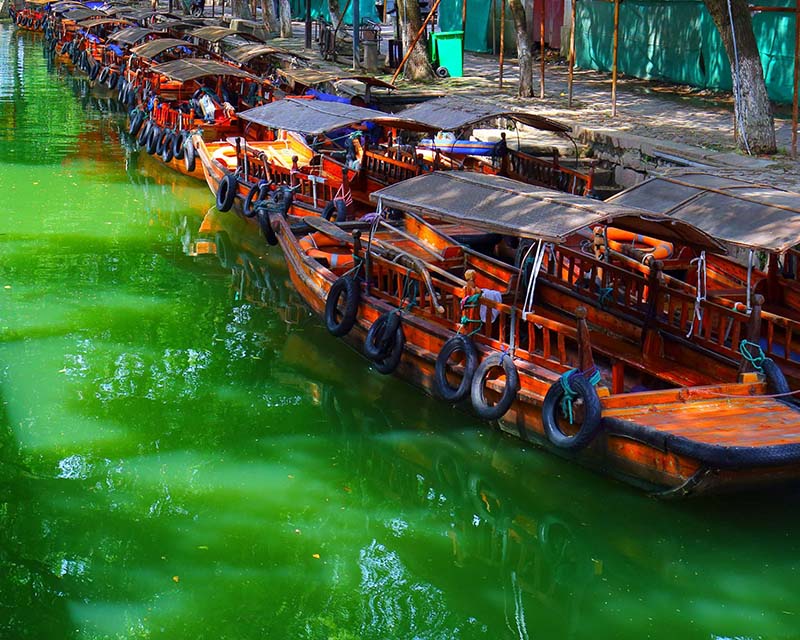
Join in the popular Shanghai Suzhou Hangzhou tour package with airport transfer, reveal myriad sides of China that stretch far beyond the popular tourist trails immersing you deep into beautiful landscapes of Suzhou and Hangzhou, as well as get to know the Shanghai modernization. Relish the freedom and flexibility of this private tour, enjoy the undivided attention of your guide throughout your experience.
2 Days Suzhou Shanghai Tour from Shanghai Cruise Port
48hours
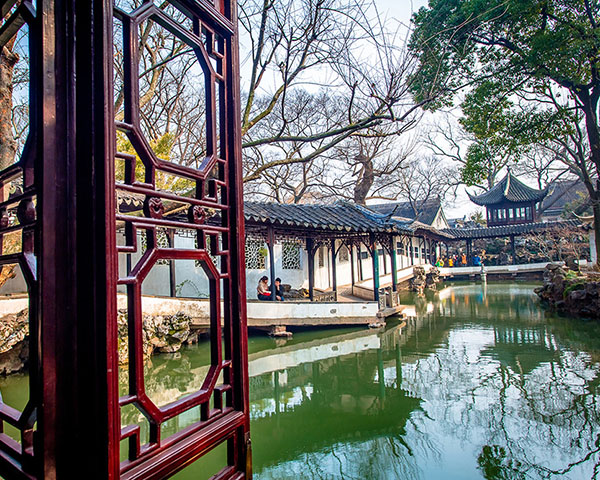
Enjoy the charming views at UNESCO-listed No.1 Suzhou garden at Humble Administrator's Garden and breathtaking Tongli Water Town, experience the Chinese culture and history in Suzhou; explore the modern and ancient part of Shanghai by visiting the highlighted sites, hike to the top of Jinmao Tower and have amazing views of whole city.

Got Question & Quick Answer


©2013- www.chinavisafreelayovertour.com

Introduction

Recommend Tour

FAQ
 Home
Home







Entertainment :
Cultural Value :
Environmental Quality :