






Email: info@chinavisafreelayovertour.com
Phone: +86-13683536536
WhatsApp/iMessage: +86-13683536536
WeChat: +86-13683536536

Member
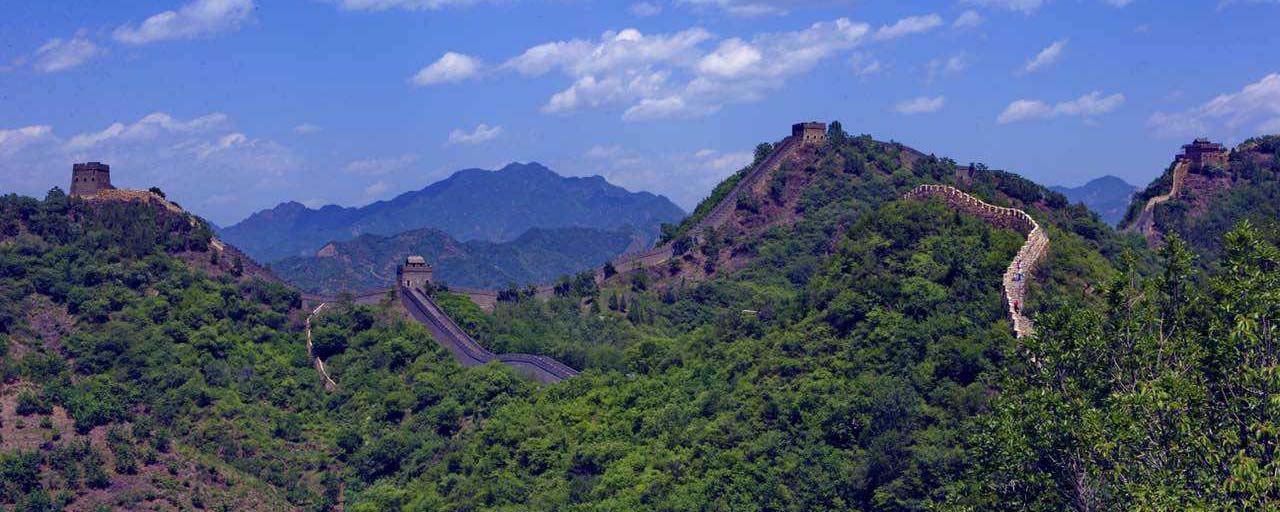
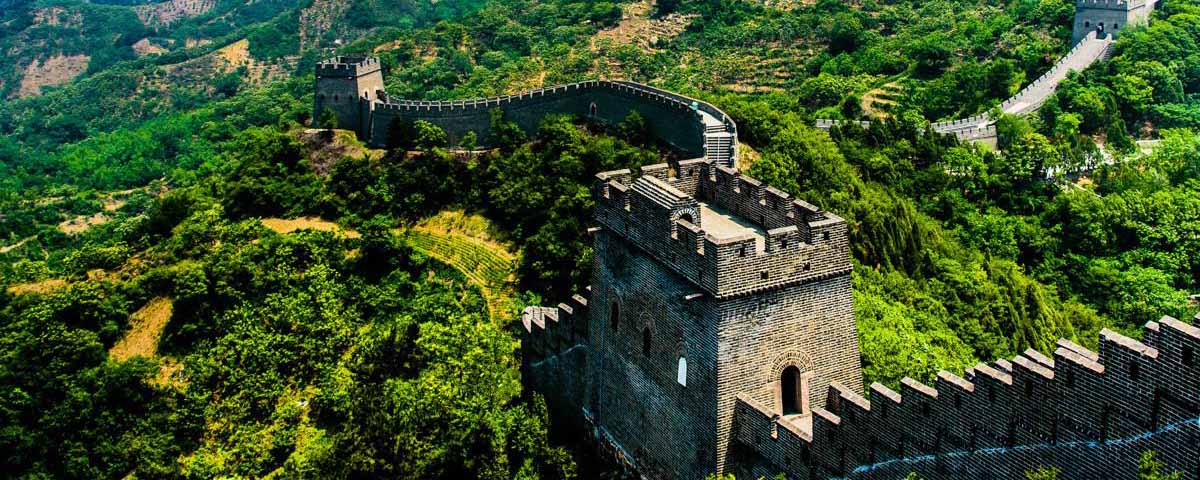
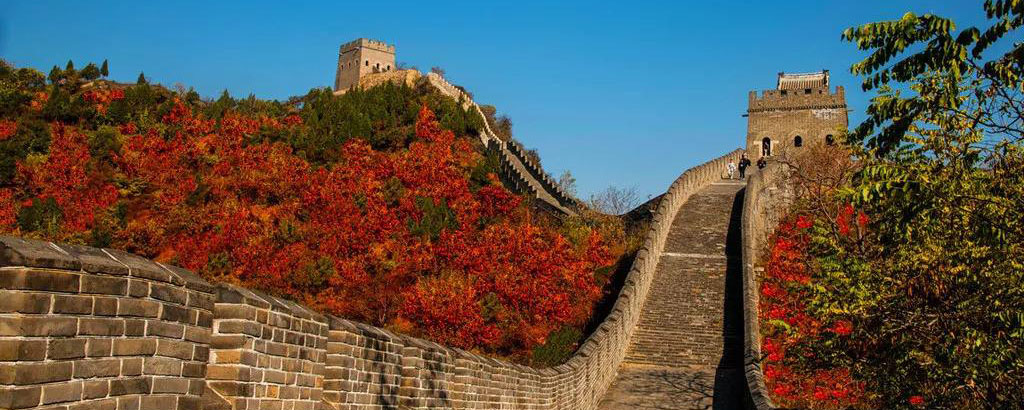
Huangyaguan Great Wall Details

Tour Code : C0108
Type : Historic sites
City / Province : Tianjin
Built in :
Rack up some serious steps with minimum crowds and experience the crumbly peril of the wild wall at Huangyaguan Great Wall decorated by amazing views set in an amazing feat.
Huangyaguan Great Wall
Huangyaguan Great Wall
Introduction
Located about 126 km north of Tianjin. This section of the Great Wall is also known as Mt. Huangya of thousands of pagodas due to its numerous pagodas and a number of watchtowers. It was first built during the Northern Qi Dynasty then later repaired during the Ming Dynasty under the guidance of Qi Jiguang who was a general during that time. It stretches to a distance of 2150 meters long with steep and rugged surfaces in their most original form. It UNESCO listed as a World Cultural Heritage in 1987. In 1984 under the supervision of Deng Xiaoping and a project he named “Love China and Build the Great Wall”, the Huangyaguan section of the Great Wall and Taipingzhai Village, including 20 watchtowers, one gatehouse and one pass fort were renovated in what is recognized as the longest of the Great Wall renovation projects.
In this section, the stone base built during the Northern Qi Dynasty between 550 and 557 and the brick battlements laid in the Ming Dynasty (1368 - 1644) can be found to date. From the General Pass in Beijing to Malan Pass the wall covers 42 kilometers and initially had 52 watchtowers and 14 beacons but now some are completely ruined due to lack of restoration. The watchtowers currently available are solid and hollow and are in different shapes some are round and others are squared.
Things to see and do on a visit
Hike
Visitors can hike on the west section of the wall to the Heavenly Ladder then continue to hike on the east section to the Widow Tower. The hike is strenuous but the extremely photogenic heavenly views are rewarding.
Huangya Sky Ladder
The Huangya Sky Ladder is located 503 meters from Huangya Pass and it is the most challenging part of this section of the Great Wall with the steepest stairs seemingly leading up to the sky like a route to heaven. Way ahead of this ladder is a rather primitive side of the Great Wall constructed during the Northern Qi Dynasty which is also the end of the Huangyaguan section.
Taipingzhai
Located 1,000 meters east of the Huangya Pass in the Xiaopingan Village, Taipingzhai is Qi Jiguang guarded the valley surrounding Xiaopingan Village. There is a statue of Qi Jiguang standing in front of it commemorating the eminent general who made great contributions to the region’s government in ancient time. It stands as the guard of Taipingzhai.
Widow Tower
The Widow tower is a two story square beacon tower located to the West of Taiping Stronghold. The tower was donated by twelve women who lost their husbands during the construction time of the Great Wall. The tower acted as a military fortress during war times and has crenels, figurines of kylins, dragon's head sculptures on its two sides of the roof, lions crouching at the four points of the eave and emplacements on the second floor.
The Pass of Huangyaguan
This pass is one of the most interesting passes with numerous military facilities set strategically and they appear as though they were arranged orderly. The pass is surrounded by mountains and houses a barracks, barbicans, emplacements and turrets. There are more than forty streets in the pass crisscrossing each other to form an Eight Diagram shape and hence the nickname of the pass as the Eight Diagram Fortification City. Located at the center of the Eight Diagram Street block is the Huangyaguan Great Wall Museum that was a Dispatcher's Office in the Ming Dynasty. Visitors can see weapons and daily articles used by soldiers during the Ming Dynasty.
Huangya Water Gate
The Huangya water gate connects the yellow Cliff Pass to the west and the Taiping Mountain to the East and was constructed during the reign of Ming Emperor Yongle (1403 – 1424). Stretching to a length of 75.5 meters and 12.5 meters high, there are five arches below the wall that enable the river to flow through. During attacks, the arches would be closed and the soldiers would settle gun barrels along the battlements to defend themselves from intruders coming from the waterway. When there was no war the archways remained to be ordinary giant bridges over the river.
The Great Wall Marathon
The Huangyaguan Great Wall Marathon is an international accredited marathon that combines sports, Chinese culture, ancient history and travel that is held every year between April and May. The marathon requires competitors to conquer 3,700 steps with participants coming from different parts of the world. It offers visitors with the chance to interact with China’s countryside going through villages and neighboring fields. There is also a half marathon and an eight and half kilometer race as well for competitors who want to just experience the marathon.

Got Question & Quick Answer


©2013- www.chinavisafreelayovertour.com

Introduction

Recommend Tour

FAQ
 Home
Home








Entertainment :
Cultural Value :
Environmental Quality :