






Email: info@chinavisafreelayovertour.com
Phone: +86-13683536536
WhatsApp/iMessage: +86-13683536536
WeChat: +86-13683536536

Member
798 Art Zone Details

Tour Code : C0107
Type : Views of the city
City / Province : Beijing
Built in : 1957
Browse through the powerhouse of contemporary art, architecture, and culture as you get in touch with the largest and most influential art district in China. Purchase pieces of art produced locally or from abroad from the world-class exhibitions or even feed your imagination by just looking at art pieces as you sip a cup of coffee.
798 Art Zone
798 Art District
Introduction
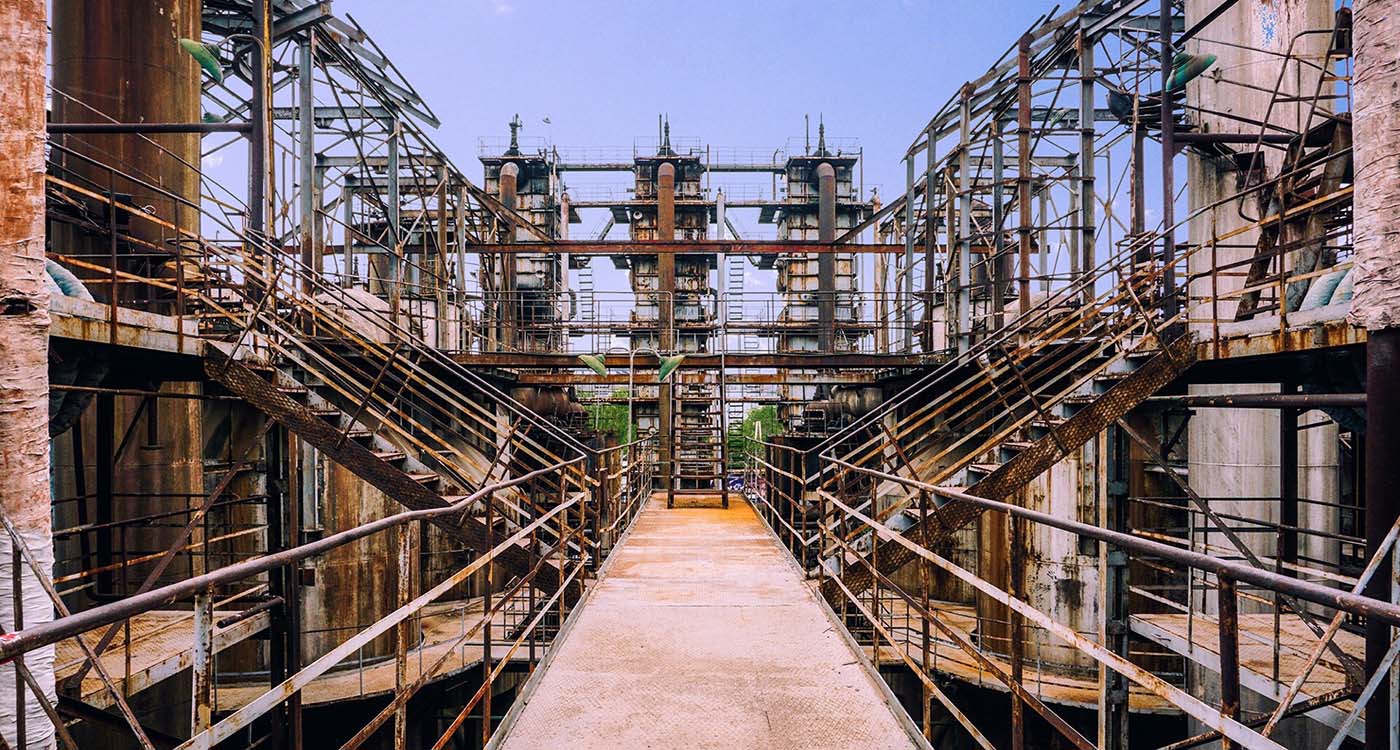
798 Art District is located in Dashanzi area on the northeastern side of central Beijing covering an area of over 600,000 square meters. It was the site of state owned factories that originally produced electronics including Factory 798. Afterwards the corporation moved out of the Dashanzi District and leased those plants. In the beginning of 2002 many artists and art organizations were charmed by the unique architectural design of Bauhaus in addition to the areas location in terms of traffic and so they rented most of the vacant plants and later transformed them into art studios, fashion shops and cultural centers leading to the place gradually becoming an art district.
The area came to be in 1952 after a cooperation between China and the Soviet Union created an industrial village through a Germany firm to develop electronic components but due to reforms in the eighties and the introduction of free market strategies, the industrial complex gradually broke down and the business was shut down. Now the area has attracted numerous investors both from home and abroad to become a famous landmark.
798 is much more than a three digit number. In Beijing these numbers represent the country’s cutting edge art movement led by the Chinese vanguard and talented artistic personalities with unique senses of imagination. The art district has turned out to be the most influential art destination attracting up to 75 million people including movie stars, political figures and social celebrities. Amongst them are ex-Prime Minister from German, Schroeder, Prime Ministers from Sweden, Switzerland and Austria and the President of European Union (Barroso) among many others. The zone also held the 798 Art Festival which starts end of April to the end of May every year ever since 2006 and the 798 Creative Art Festival (from the end of September to the end of October).
Things to see and do on a visit
798 Photo Gallery
The photos found here cannot be found anywhere else because thy were developed by the owner Chen Guangjun himself.
Murals, Graffiti and Sculptures
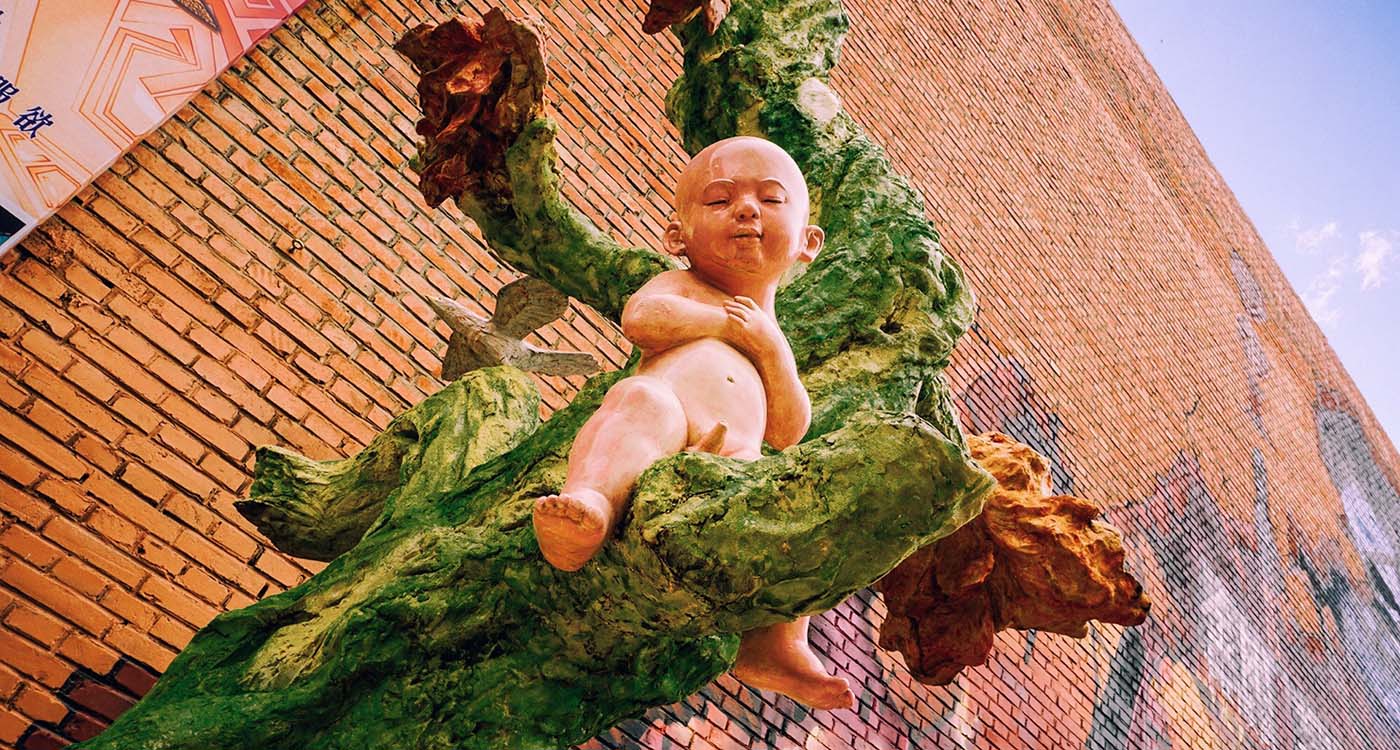
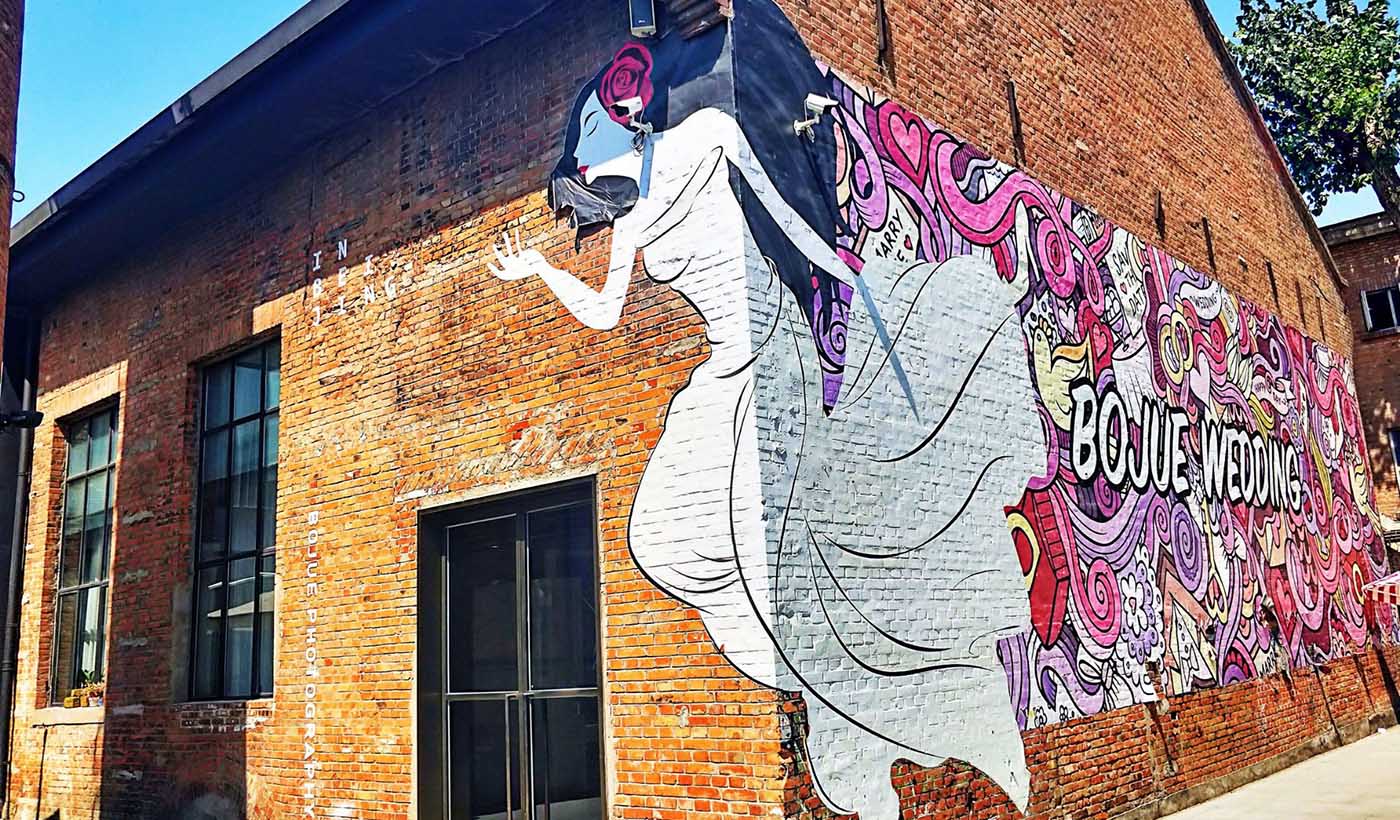
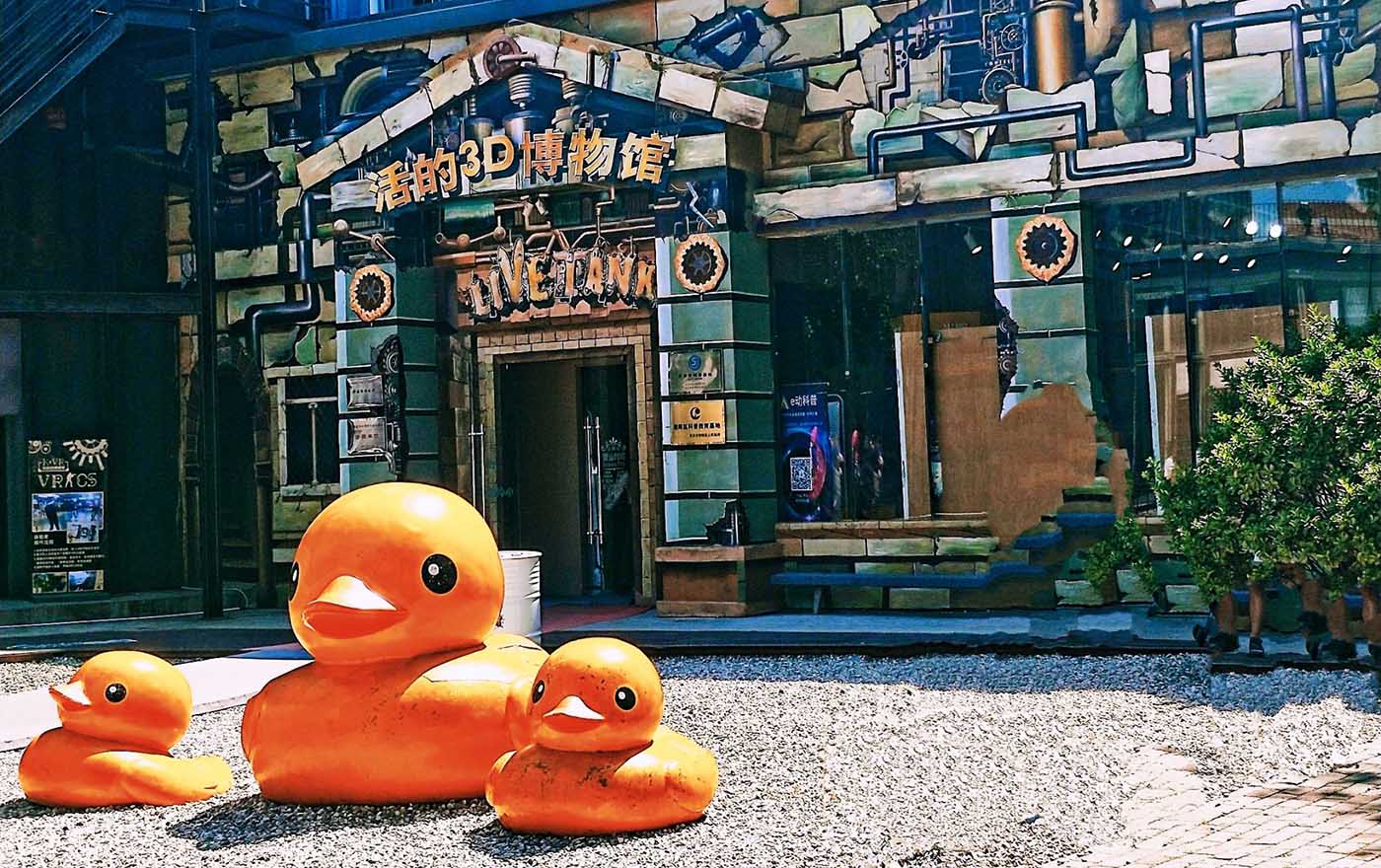
This is a paradise that connects people with art in the form of scattered graffiti, murals and sculptures. There are human-shaped sculptures, dinosaurs and so many forms of street art. Visitors walking in the zone can capture feelings and personalities of the authors of the works of art.
798 Space
The 798 space is the venue for fashion shows, press conferences amongst many other functions. It is housed in Bauhaus style buildings that have serrated roofs. It was founded by Huang Rui in 2003 and covers an area of more than 1200 square meters. The space still retains itsorigina appearance and visitors can still see red communist slogans on its walls. It is further divided into a lounge, restaurant, bar and exhibition space.
Pace Beijing
The Pace Beijing was established in 2008 and is a branch of the renowned and high end Pace Gallery based in New York. Architect Richard Gluckman transformed the Bauhaus style workshop into a memorial building creating solid relationships between artists such as Yue Minjun, Li songsong, Zhang Xiaogang, Sui Jianguo and many more as it hosted many exhibitions. The pace is also where the famous photographer Hiroshi Sugimoto held his first solo exhibition in China in 2012.
BTAP (Beijing Tokyo Art Projects
BTAP was established in October, 2002 by Yukihito Tabata with the aim of promoting young and upcoming artists from China, Korea, Japan and other Asian countries. It was able to achieve its set goal and now it is aiming at creating long-term exchanges between Asian cities like Seoul, Beijing, Tokyo and Taipei. BATP was also able to send its artists to international art fairs such as ARCO and Art Cologne. BATP has eventually been able to arrange for more than 13 exhibitions themed sculpture, oil painting, architecture and performance art.
Ace Café
Ace Café is a renowned haulage motor themed restaurant hailing from London that was borne out of an original 751 railway station in 798 Art District retaining most of its features and structures. The cafe is perhaps the coolest building in 798 as it symbolizes the spirit of rock and locomotive culture. The cafe mainly serves coffee and other soft drinks.
Ullens Center for Contemporary Art (UCCA)
UCCA was founded in 2007 by Belgian collector Guy and Myriam Ullens covering an area of 8,000 square meters including a large 1800 square meter exhibition hall and many other smaller exhibition halls, a lecture hall that can accommodate up to 150 people with film projection and simultaneous interpretation equipment, UCCA Education—Creative Studio, Story Café, UCCASTORE among other public spaces.
In 2018, UCCA upgraded by creating new exhibition halls for displaying upcoming artists' works and open exhibitions for semi-permanent exhibits.
Shenji Restaurant
Shenji Restaurant is a typical Chinese restaurant run by Mr. Shen. The restaurant is renowned for its famous family recipe made red pork. Mr. Shen witnessed the changes of the zone first hand as he grew up so most people have chats with him to know more about 798.
AT CAFE
Owned by a contemporary Chinese artist, Huang Rui was one of the founders of the “Stars” in 1979, at the beginning of Chinese contemporary art and the symbol of the independence of Chinese contemporary artists. His cafe serves Italian coffee, pizza, Hungarian rice with beef and the most delicious sandwiches. His work of art is based on illustrious Maoist slogans and can take anyone back in time ancient China.
Long March Cultural Communication Centre
Owned by Lu Jie, the long March Cultural Communication Center is the center of folk art exhibition. Lu Jie was a famous contemporary artist who led a group of artists following the Long March route.
VINCENT CAFE
Owned by Vincent, a French national this little family owned restaurant is home to different meat, vegetable, fruit and ice cream filling. In addition there is a special creation known as shooter which is a drink containing three different alcoholic drinks in a small cup that shouldn’t be missed by any visitor. Vincent started to cook and learnt management at a very young age of only 15 years worked as a chief manager in a famous French restaurant.
Recommend Tour
144 Hours Visa Free Beijing Layover Tour
144hours
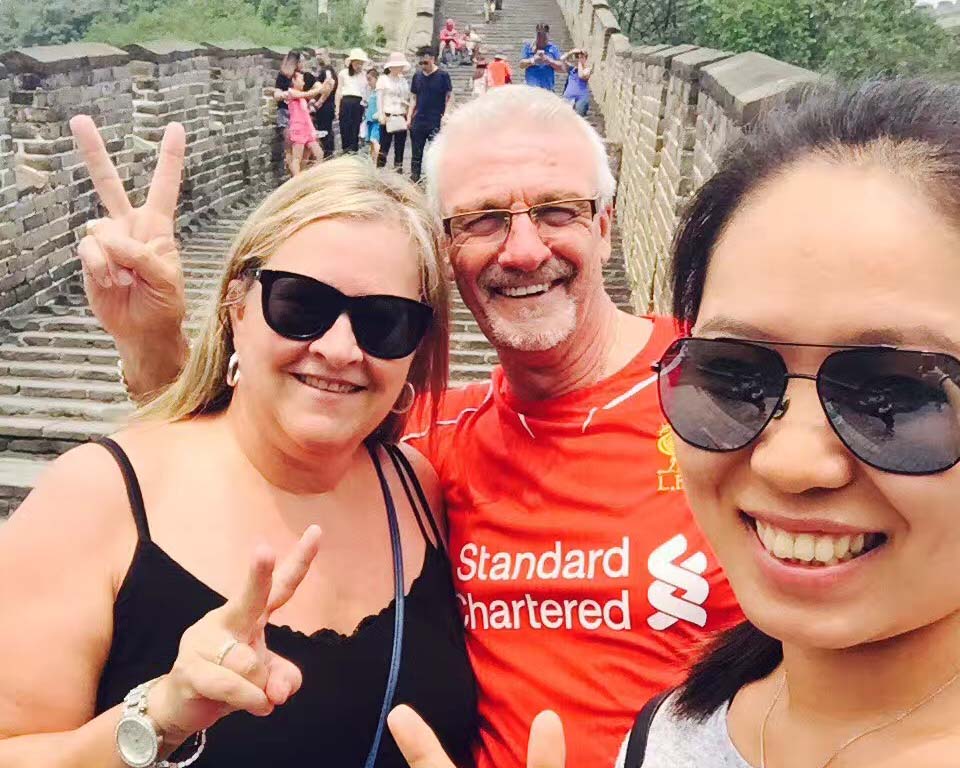
From royal architecture, Forbidden City, Temple of Heaven and Summer Palace, to one of seven world's wonder Great Wall to immerse in the splendid Chinese history, experience locals culture at Hutongs and Nanluoguxiang, take a deeper dive into a wonderful night show.

3 Days Beijing Layover Tour
60hours
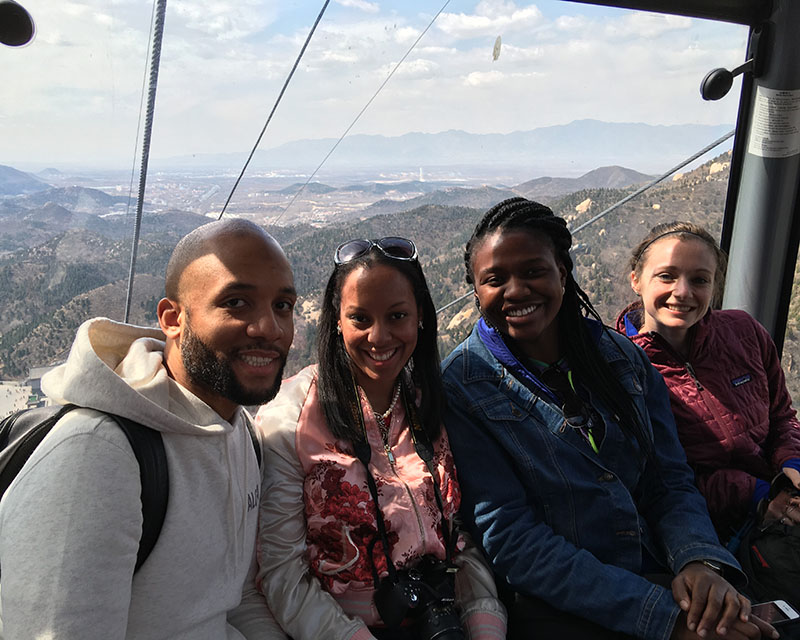
Loaded with fun, ultramodern and historical engineering, each stopover visit in Beijing will have you substantially yearning for another. With a chequered history that Beijing still continues to maintain, take the in-depth Beijing tour to top historical attractions such as Great Wall at Mutianyu, Forbidden City, Temple of Heaven and Summer Palace, Ming Tombs(Changling). Have a glimpse of modern buildings at Beijing Olympic Park for famous Bird’s Nest and Water Cube. If you’re art fan, don’t miss 798 Art Zone out, you’ll be pleased by amounts of vintage items, art galleries, stores.
Great Wall Layover Tour from Beijing Airport
Beijing Airport Layover Tour
Top Attractions of Beijing Layover Tour
Great Wall Layover Group Tour
>>Great Wall Sunrise and Sunset Layover Tour
>>Mutianyu Great Wall Layover Tour
>>Simatai Great Wall Layover Tour
>>Badaling Great Wall Layover Tour
>>Huanghuacheng Great Wall Layover Tour
>>Juyongguan Great Wall Layover Tour
>>Jinshanling Great Wall Layover Tour

Got Question & Quick Answer


©2013- www.chinavisafreelayovertour.com

Introduction

Recommend Tour

FAQ
 Home
Home







Entertainment :
Cultural Value :
Environmental Quality :